What Is an Agricultural Commission Shop? The Complete Wholesale Mandi & Arhti System Guide
An insider guide to wholesale grain and vegetable mandis: how commission shops (Arhtis) conduct auctions (Boli), transparent trade mechanics, commission fees, and farm-to-market logistics.
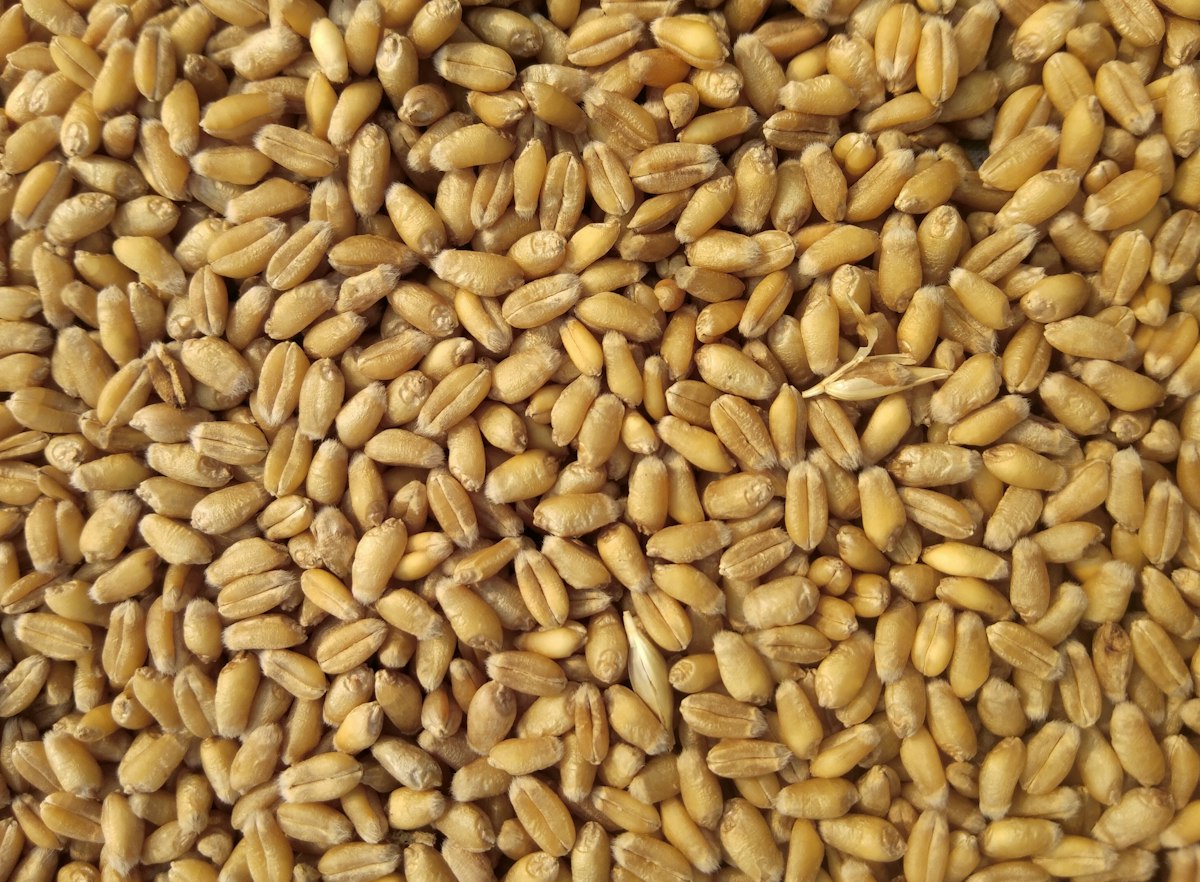
In agricultural commerce across South Asia and global developing economies, wholesale grain and vegetable markets—known historically as Mandis—serve as the bustling economic nerve center connecting rural farmers with urban food processors, mills, and international export corridors.
At the absolute center of every mandi is the Commission Shop, managed by a licensed Commission Agent (traditionally termed an Arhti). While the mandi system moves billions in agricultural commodities every season, many farmers, new agribusiness buyers, and international traders remain unclear about how daily auctions operate, how commission percentages are calculated, and how to verify transparent pricing.
This comprehensive guide demystifies the entire wholesale mandi ecosystem, detailing the auction process (Boli), commission fee structures, and the digital transition toward transparent, fair agricultural marketing.
1. What Is an Agricultural Commission Shop (Arhti Shop)?
An agricultural commission shop is a licensed commercial brokerage operating within a government-notified wholesale market (Ghalla Mandi for grains/oilseeds or Sabzi Mandi for produce).
Unlike retail stores that purchase goods to mark up and resell, a commission agent (Arhti) does not buy the farmer’s crop. Instead, the commission agent provides a physical platform, weighing services, and auction management, acting as a professional fiduciary broker between the farmer (seller) and commercial wholesale buyers (millers, bulk exporters, food manufacturers).
In exchange for arranging the auction, verifying buyer solvency, and guaranteeing immediate cash payment to the farmer, the commission shop earns a regulated commission fee (known as Aadat), typically 1.5% to 2.5% of total gross sales.
Step 1: Arrival & Unloading
Dawn (5:00 - 7:00 AM)Crops arrive by trolley or truck at the Arhti shop; stacked in designated lots (Dheri) for physical inspection.
Step 2: Quality Grading & Weighing
Morning InspectionCertified weighbridge scales verify gross and tare weight; moisture meters test grain humidity.
Step 3: The Public Auction (Boli)
Peak Bidding (8:00 - 11:00 AM)Registered buyers gather around the crop lot; the auctioneer conducts live open bidding until the highest price is accepted.
Step 4: Settlement & Bahi Slip
Financial ClearingOfficial transaction receipt (Bardana slip) generated detailing gross sale price, official deductions, and net proceeds.
2. Kacha Arhti vs. Pakka Arhti: Understanding the Roles
Inside large wholesale mandis, commission agents operate in two distinct capacities:
1. Kacha Arhti (Primary Broker): Deals directly with the farmer. The Kacha Arhti receives the crop, manages the morning auction, ensures proper sack stitching, and pays the farmer directly in cash immediately after the sale.
2. Pakka Arhti (Wholesale Consolidator / Trader): Represents large industrial buyers, flour mills, rice processing plants, and international export companies. The Pakka Arhti purchases massive lots across multiple Kacha Arhti auctions, aggregates bulk shipments into warehouses, and coordinates freight logistics.
3. Commission Rates, Labor Charges, and Deductions Explained
A common source of confusion for sellers is the itemized deduction breakdown on the final payment slip. In a transparent, regulated mandi, authorized charges include:
1. Commission (Aadat): Legally capped between 1.5% to 2.5% depending on commodity and provincial market committee bylaws.
2. Labor Charges (Maldhari / Palladari): Regulated per-bag fee paid to market laborers for unloading, sorting, and reloading sacks onto buyer transport.
3. Certified Weighing Fee (Tolai): Nominal fee paid to certified scale operators ensuring accurate weight measurements.
4. Market Committee Fee: Minimal statutory cess paid to municipal market authorities for facility maintenance, clean roads, and security.
4. The Digital Revolution: Eliminating Middleman Exploitation
Historically, isolated farmers lacked real-time visibility into market rates, leaving them vulnerable to below-market bids. Today, digital agricultural platforms like Kisan Ka Pakistan empower growers by publishing verified, live daily crop prices across all major regional mandis.
Furthermore, verified commission shop directories allow farmers to review registered, reputable Arhtis before sending their seasonal harvest to the market, fostering total transparency, fair pricing, and mutual trust.
Discover verified commission merchants, trusted farm implement dealers, and certified agricultural input suppliers directly on Kisan Ka Pakistan.
Can a farmer reject the final auction bid in a mandi?
Yes. The farmer retains absolute ownership of the crop until the auction bid is accepted. If bidding fails to meet fair market rates, the farmer can decline the bid and hold the produce or move it to another shop.
How quickly does a farmer get paid after selling at a commission shop?
In reputable commission shops, farmers receive payment in cash or direct bank transfer on the exact same day of the auction, with the Arhti assuming the credit risk of collecting from the buyer.
Where can I find verified commission shops in Lahore, Multan, Faisalabad, and other mandis?
You can search verified commission shops, contact details, and mandi locations directly through the dedicated Kisan Ka Pakistan Commission Shop directory.
Conclusion
Agricultural commission shops and wholesale mandis remain the cornerstone of national food distribution. By combining traditional market expertise with digital price transparency and verified merchant listings, the agricultural ecosystem becomes fairer and more profitable for both farmers and buyers.
Explore verified commission shops, live mandi rates, and crop listings across Pakistan on Kisan Ka Pakistan.
KKP Agricultural Markets & Trade Desk
Author• Wholesale Mandis, Commodity Pricing & Supply Chain TeamPublished by the Kisan Ka Pakistan Market Trade Desk, analyzing transparent wholesale mandi mechanics, commission accounting standards, and direct farm-to-buyer logistics across South Asian and international agricultural corridors.
Stay Updated with KKP Agriculture
Check daily live commodity rates, machinery listings, and wholesale market updates.