Tunnel Farming in Pakistan: Cost Per Acre, Off-Season Vegetable Profits & Setup Guide
Comprehensive commercial guide to tunnel farming in Pakistan. Detailed cost comparison of Low, Walk-In, and High Tunnels, crop profitability, and off-season tomato and cucumber economics.
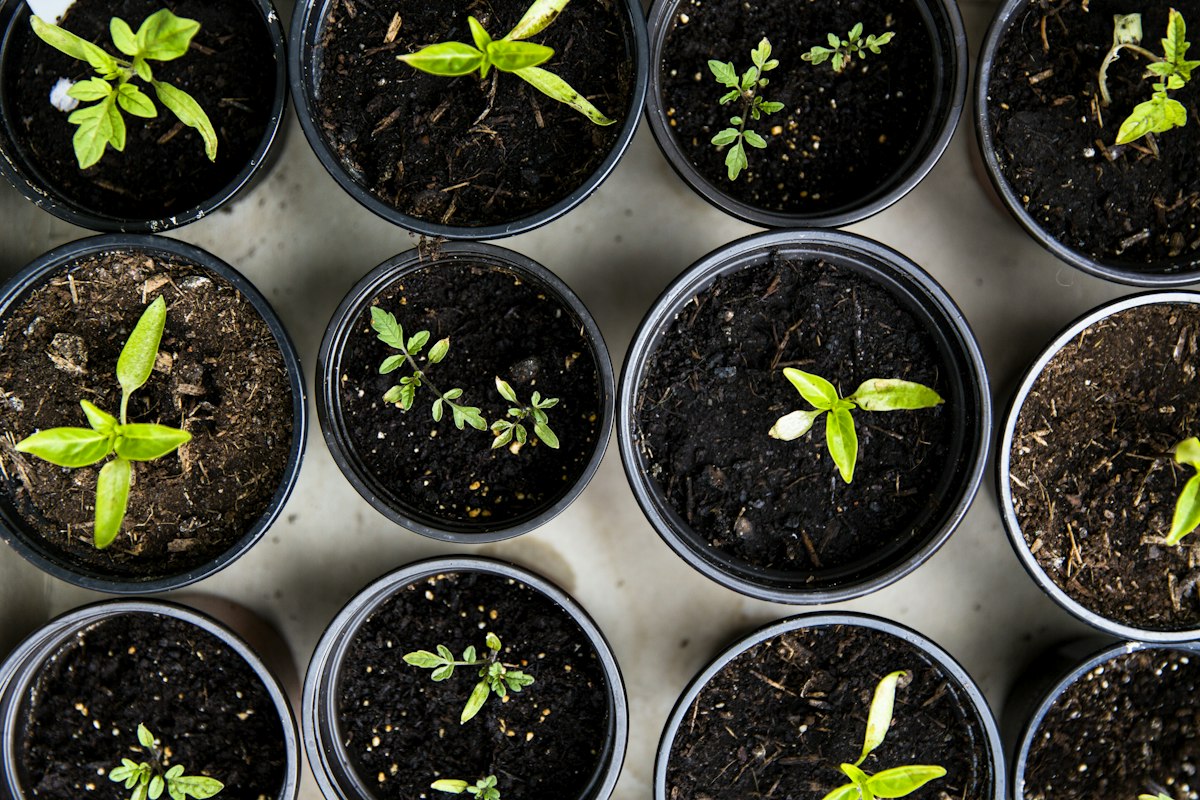
Tunnel farming has transformed commercial vegetable production across Punjab (particularly Vehari, Faisalabad, Multan, and Okara) and Khyber Pakhtunkhwa. By creating a controlled microclimate with plastic coverings, farmers harvest summer vegetables—like tomatoes, cucumbers, bell peppers, and bitter gourds—during the freezing months of December, January, and February.
When market supply from open fields collapses in winter, wholesale prices at urban mandis spike dramatically. Early off-season tunnel harvests regularly capture prices 300% to 500% higher than peak summer open-field gluts.
This engineering and financial feasibility report breaks down the cost of Low, Walk-In, and High Tunnels per acre, expected yields, and proven management techniques to achieve peak profitability.
1. The 3 Types of Tunnels: Cost, Structure & Production Scale
Farmers can choose between three distinct tunnel structures depending on their investment capital and acreage:
1. Low Tunnels (Beds / Hoops): Built using flexible galvanized wire or bamboo hoops 1.5 to 2.5 feet tall, covered with thin transparent plastic film. Highly economical (PKR 35,000 to PKR 55,000 per acre for structures), but laborers must bend over or remove plastic for spraying and harvesting. Ideal for smallholders growing watermelons or cucumbers.
2. Walk-In Tunnels (Semi-Permanent Pipes): 6 to 7 feet high, built with curved galvanized iron (GI) pipes. Allows farm workers to walk upright inside the structure. Highly popular in Punjab, with complete setup costs ranging from PKR 500,000 to PKR 750,000 per acre.
3. High Tunnels (Commercial Greenhouses): Heavy-duty steel structures 12 to 14 feet tall with automated side-ventilation. Designed for high-density vertical trellising of indeterminate tomatoes and colored capsicum. Setup costs range from PKR 1,200,000 to PKR 1,600,000 per acre, delivering massive yields for 10+ years.
| Tunnel Category | Height & Structure | Cost Per Acre (PKR) | Ideal Crops | Expected Net Profit / Acre |
|---|---|---|---|---|
| Low Tunnels | 1.5 – 2.5 ft (Bamboo / Wire Hoops) | PKR 35,000 – 55,000 | Watermelon, Bitter Gourd, Cucumber | |
| Walk-In Tunnels | 6 – 7 ft (GI Galvanized Pipes) | PKR 500,000 – 750,000 | Cucumber, Tomato, Green Chili | |
| High Tunnels | 12 – 14 ft (Heavy Steel Framing) | PKR 1,200,000 – 1,600,000 | Indeterminate Tomatoes, Bell Peppers, Strawberries |
2. Off-Season Vegetable Profit Feasibility (Per Acre Model)
High-tunnel tomato cultivation serves as the gold standard for profitability in Pakistan:
1. Plant Density: Approximately 9,000 to 11,000 plants per acre trained vertically on nylon twine trellises.
2. Yield Potential: Under optimal fertigation and disease management, high tunnels yield 35 to 55 metric tons (850 to 1,300 maunds) per acre over a 5-month picking window.
3. Off-Season Price Advantage: Early picking in late December through February commands wholesale mandi prices of PKR 2,500 to PKR 4,500 per maund (40 kg), generating gross revenues exceeding PKR 2.5 to 3.5 Million against operating costs of PKR 1 Million.
3. Critical Tunnel Materials Checklist
Never compromise on protective materials: 1. UV-Stabilized Polyethylene Sheet: Ensure plastic film carries a minimum 200-micron thickness with 3% to 4% UV stabilizer additives to prevent degradation under intense sunlight. 2. Black Silver Mulch Film: 25-micron reflective mulch film suppresses weed growth completely, conserves soil moisture, and repels aphids by reflecting light. 3. Integrated Drip Lines: Drip irrigation is essential inside tunnels to avoid wetting plant foliage, which triggers fungal blight.
Discover verified commission merchants, trusted farm implement dealers, and certified agricultural input suppliers directly on Kisan Ka Pakistan.
When should nursery seedlings be transplanted into tunnels?
For early winter harvest, seed nurseries in early September and transplant hardened seedlings into walk-in or high tunnels between October 15 and November 10.
How do you control humidity and fungal diseases inside tunnels?
Open tunnel end flaps and side curtains daily from 10:00 AM to 3:30 PM to vent excessive humidity. Closed, damp tunnels foster rapid development of powdery mildew and late blight.
What is the lifespan of tunnel framing pipes and plastic sheets?
Galvanized iron (GI) structural pipe framing lasts 15 to 20 years. Premium UV-stabilized plastic sheeting lasts 2 to 3 full winter seasons before requiring replacement.
Conclusion
Tunnel farming represents one of the most profitable agricultural investments in South Asia. By combining proper structural design, quality UV plastic, and timed off-season market arrivals, progressive growers consistently generate exceptional returns per acre.
Discover verified vegetable seed suppliers, tunnel materials, and wholesale mandi rates on Kisan Ka Pakistan.
KKP Commercial Horticulture & Protected Farming Desk
Author• Tunnel Agronomy, Off-Season Vegetables & Greenhouse Engineering TeamPublished by the Kisan Ka Pakistan Protected Farming Desk, analyzing high-tunnel structural designs, UV plastic longevity, and off-season vegetable economics across Punjab and KPK.
Stay Updated with KKP Agriculture
Check daily live commodity rates, machinery listings, and wholesale market updates.