The Ultimate Tractor & Farm Machinery Selection Guide: Choosing the Right HP, Implements, and Fuel Efficiency
Avoid costly machinery mistakes with this comprehensive guide on matching tractor horsepower (25HP to 120HP+), PTO output, hydraulic flow, and implements to your farm acreage and soil conditions.
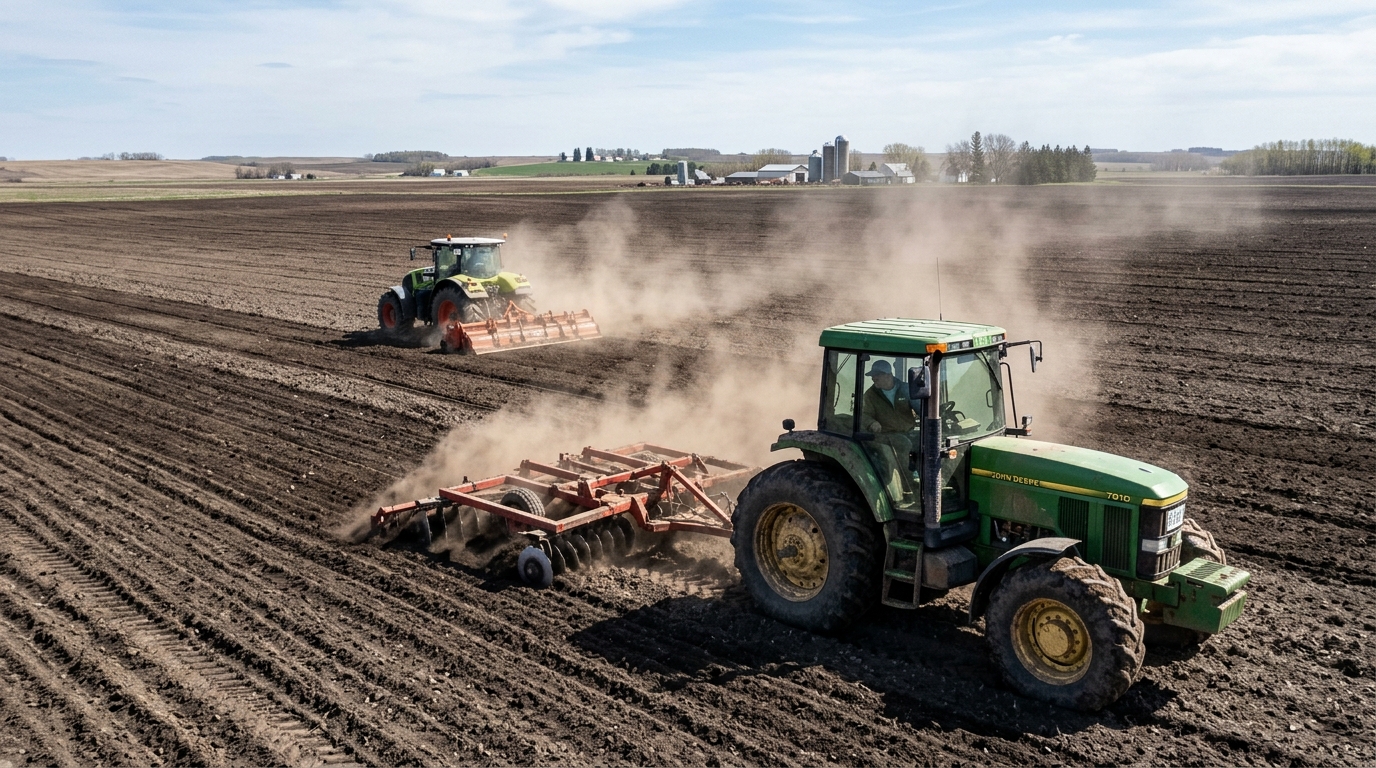
Investing in a tractor and field implements is the single most capital-intensive operational decision an agriculturalist makes. Whether managing a 15-acre orchard in Texas or Southern Europe, a modern commercial greenhouse in the Emirates, or a 50-acre mixed grain farm in Punjab, buying the wrong horsepower leads directly to economic drain.
An undersized tractor operates under chronic mechanical strain, overheating hydraulic valves and causing premature clutch wear. Conversely, an oversized machine wastes excessive diesel on light tasks, turns tight field turns into clumsy operations, and severely damages soil structure through excessive compaction.
This engineering-backed guide breaks down how to calculate exact horsepower requirements, match implements safely, optimize fuel consumption, and protect your capital investment over decades.
1. Horsepower Breakdown by Acreage and Workload
Horsepower ratings quoted on dealership brochures often confuse buyers. The most important metric to evaluate is not just raw engine Gross HP, but PTO (Power Take-Off) Horsepower—the actual rotational power delivered to active implements like rotary tillers, seed drills, balers, and water pumps.
As a general engineering baseline, PTO HP is typically 12% to 20% lower than rated engine HP due to drivetrain frictional losses.
Sub-Compact & Compact (20 – 35 HP)
1 to 15 AcresLight soil tilling (42"-48" rotavators), orchard spraying, loader handling, mowing, and light trailer towing.
Standard Utility Class (40 – 65 HP)
15 to 50 AcresPrimary disc plowing, 54"-66" rotary tillers, seed drills, boom sprayers, and medium 3-ton to 5-ton crop trolleys.
Heavy Utility Class (75 – 95 HP)
50 to 120+ AcresHeavy chisel plows, subsoilers, laser land levelers, multi-crop threshers, and heavy round/square hay baling.
Commercial Row-Crop (100 – 140+ HP)
120+ Commercial AcresWide folding implements, pneumatic high-speed precision planters, heavy silage harvesting, and high-speed haulage.
2. Matching Implements to PTO Power and Three-Point Linkage
A tractor is merely a mobile hydraulic and mechanical power station. The true work is done by the implement. Mismatching implement size to tractor weight and PTO output is the leading cause of broken PTO shafts, damaged gearboxes, and inverted tractor tip-overs.
Category 1 Three-Point Hitch (typically up to 45 HP) uses smaller 7/8-inch lower pins, while Category 2 (45 to 100 HP) employs robust 1-1/8-inch linkage pins designed to withstand massive drawbar pulling tension.
| Implement Type | Minimum Recommended Engine HP | Hitch Category | Optimal Operating Speed |
|---|---|---|---|
| Rotary Tiller (Rotavator 48" to 60") | 30 – 45 HP | Cat 1 / Cat 2 | 2.0 – 3.5 km/h (High RPM / Low Gear) |
| Disc Harrow (16 to 20 Discs) | 50 – 65 HP | Cat 2 | 6.0 – 8.5 km/h |
| Chisel Plow / Deep Subsoiler (3 Tines) | 75 – 85 HP | Cat 2 | 4.5 – 6.0 km/h |
| Laser Land Leveler Bucket (7 to 8 ft) | 75 – 85 HP (4WD preferred) | Cat 2 | 5.0 – 7.0 km/h |
| Multi-Row Precision Seed Drill | 55 – 70 HP | Cat 2 | 5.5 – 7.5 km/h |
| Heavy Agricultural Trolley (6 to 8 Ton) | 65 – 85 HP | Drawbar Hitch | 18.0 – 25.0 km/h (Road transport) |
3. 2WD vs. 4WD (Mechanical Front Wheel Drive - MFWD)
Two-Wheel Drive (2WD) tractors offer lower initial acquisition costs, simpler maintenance with fewer front seals and universal joints, and a noticeably tighter turning radius—making them suitable for dry, flat terrain and road transport.
However, Four-Wheel Drive (4WD/MFWD) increases tractive pulling efficiency by 25% to 35% in heavy clay, wet paddy fields, and sloping ground. Because 4WD balances torque distribution across all four wheels, it drastically reduces tire slippage, saving up to 15% in diesel fuel per acre plowed.
4. Hydraulic Flow Rate: The Overlooked Spec
Many buyers scrutinize engine horsepower but ignore hydraulic pump capacity (measured in Liters Per Minute or GPM). If you plan to operate a front-end loader, modern tipping trailers, or hydraulic-fold implements, verify that the hydraulic remote valves deliver at least 35 to 55 L/min.
Inadequate hydraulic flow creates jerky loader responses, slows cycle times, and overheats transmission-hydraulic oil during hot summer operations.
5. Daily Maintenance Rules for 20+ Year Machine Lifespan
Modern diesel agricultural engines are built to operate for 8,000 to 12,000 hours before major overhaul if fundamental maintenance schedules are respected:
1. Daily Air Filter Inspection: In dusty tilling conditions, clean outer cyclone elements daily. Fine silica dust is the number-one killer of piston rings and turbochargers.
2. Water Separator & Fuel Sedimenter: Drain condensation water from diesel filters every morning. High-pressure injection pumps can be destroyed by small droplets of water.
3. Grease Linkage Points Every 10 Hours: Loader pivots, kingpins, and 3-point linkage ball joints require high-pressure lithium grease to prevent metal-on-metal ovalization.
Discover verified commission merchants, trusted farm implement dealers, and certified agricultural input suppliers directly on Kisan Ka Pakistan.
What happens if you run an implement that requires more HP than your tractor?
The tractor engine will lug down below its peak torque RPM, generating excessive soot and black smoke, overheating the coolant, and slipping the PTO clutch. In extreme cases, it causes engine crankshaft and gear failure.
Is a higher horsepower tractor always faster in field preparation?
Not necessarily. Implement width, soil moisture, and tire ballasting determine real field speed. An overpowered tractor pulling a narrow implement simply spins tires and burns diesel without adding productivity.
Should I fill my tractor tires with water (ballast)?
Water or calcium chloride liquid ballasting in rear tires adds weight low to the ground. This dramatically improves traction and prevents front-end lift during heavy rear draft work, but should be drained if the tractor is primarily used for light haulage to save fuel.
Where can I find verified farm machinery and implements?
You can explore verified tractors, implements, and agricultural tools listed by registered sellers and regional dealers on Kisan Ka Pakistan’s dedicated marketplace.
Conclusion
A tractor purchase is not an expense—it is a long-term production asset. By matching your real acreage, soil density, and implement requirements to the right engine and PTO horsepower class, you maximize yield turnaround while saving thousands in fuel and repair bills over the machine’s lifetime.
Explore Kisan Ka Pakistan’s agricultural marketplace to discover machinery, verified agricultural inputs, and direct wholesale mandi channels across Pakistan.
KKP Farm Mechanization & Engineering Desk
Author• Heavy Machinery & Agricultural Systems TeamPublished by the Kisan Ka Pakistan Mechanization Desk, delivering practical field evaluations, PTO horsepower matching standards, and implement maintenance guides for modern farm operators.
Stay Updated with KKP Agriculture
Check daily live commodity rates, machinery listings, and wholesale market updates.