Tractor Data & Horsepower Chart: Complete Specs Comparison, PTO Calculations & Sizing Guide
The ultimate global tractor data reference. Compare engine gross HP vs. PTO output, drawbar pull, 3-point hitch lift capacities, and acreage sizing charts across leading compact and utility models.
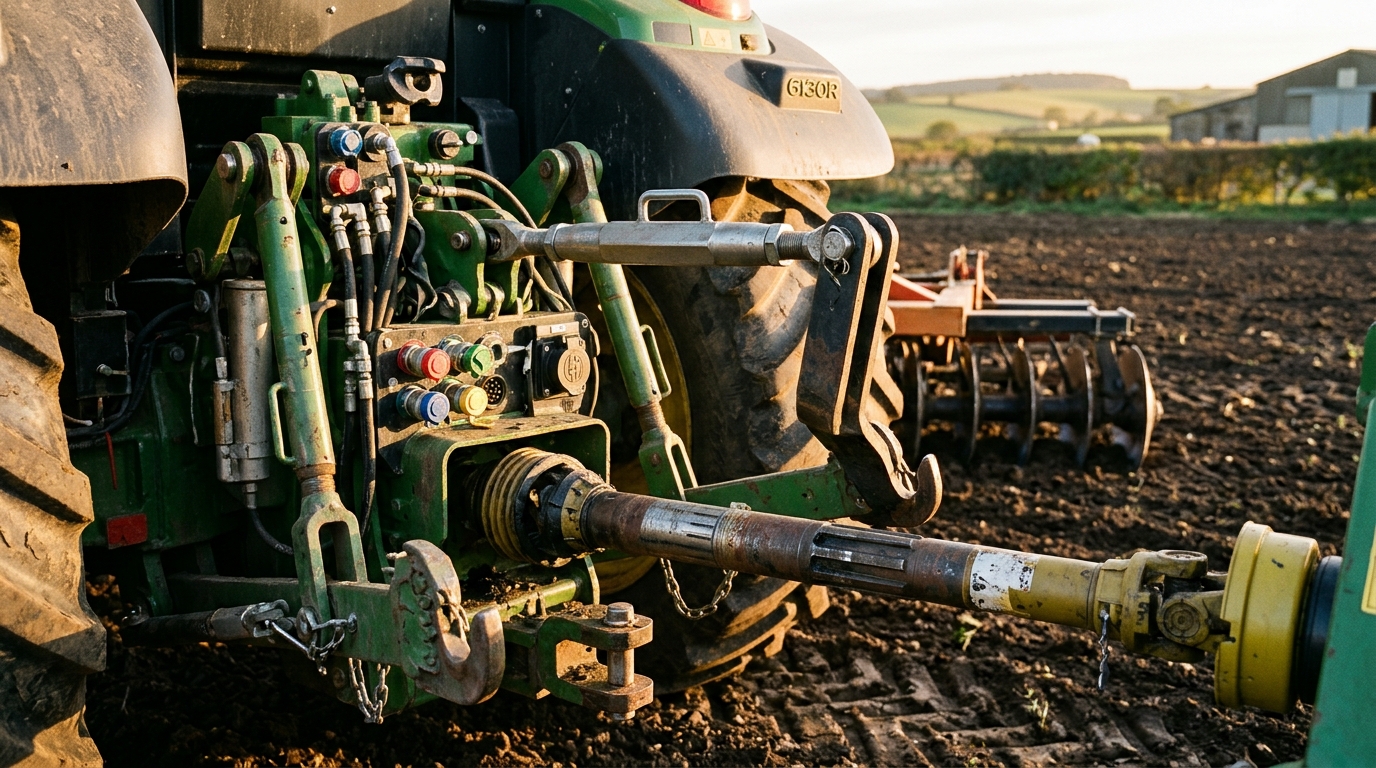
Finding reliable, uninflated tractor data is one of the most frustrating challenges for farmers, homesteaders, and commercial estate managers. Dealership brochures prominently advertise gross engine horsepower, yet when the machine is hooked to a heavy rotary tiller or a loaded agricultural trolley, performance falls short.
True tractor capability depends on the relationship between engine gross HP, PTO (Power Take-Off) horsepower, hydraulic flow rate, operating weight, and hitch lifting capacity. Understanding this data prevents catastrophic drivetrain failures and ensures your tractor performs reliably for decades.
This comprehensive tractor data guide and horsepower chart provides the exact technical specifications and formulas required to calculate implement compatibility and choose the right tractor for your acreage.
1. Master Tractor Data & Horsepower Comparison Chart
Use this master specification table to cross-reference tractor classifications, rated engine output, verified PTO output, average fuel consumption, and maximum 3-point hitch capacity (measured at 24 inches behind the lift balls).
| Tractor Class | Engine Gross HP | PTO Output (HP) | Hitch Lift (at 24") | Avg Diesel Burn (L/hr) |
|---|---|---|---|---|
| Sub-Compact (e.g. 20-25 HP) | 21 – 25 HP | 16 – 19 PTO HP | 300 – 450 kg (660 – 990 lbs) | |
| Compact Utility (26-40 HP) | 26 – 40 HP | 21 – 33 PTO HP | 550 – 850 kg (1,210 – 1,870 lbs) | |
| Standard Utility (45-65 HP) | 45 – 65 HP | 38 – 55 PTO HP | 1,200 – 1,900 kg (2,640 – 4,180 lbs) | |
| Heavy Utility (70-90 HP) | 70 – 90 HP | 60 – 78 PTO HP | 2,100 – 3,200 kg (4,620 – 7,040 lbs) | |
| Commercial Row-Crop (100-135 HP) | 100 – 135 HP | 85 – 118 PTO HP | 3,500 – 5,500 kg (7,700 – 12,100 lbs) |
2. Understanding PTO Horsepower vs. Gross Engine HP
Gross Engine Horsepower measures the peak rotational energy of the engine flywheel without alternator, fan, or hydraulic pump drag. However, implements such as rotary tillers (rotavators), seed drills, threshers, and hay balers draw their mechanical power exclusively from the rear PTO spline shaft.
Mechanical friction through the transmission, hydraulic pump drives, and differential gears absorbs 12% to 18% of total engine power. Therefore, if an implement manual specifies a minimum requirement of 45 PTO HP, purchasing a 45 Gross HP tractor will cause severe engine lugging, excessive black smoke, and premature clutch wear.
Rule of Thumb: Always calculate Required Gross Engine HP = Implement PTO Requirement ÷ 0.85.
Gross Engine Flywheel Power (100%)
Rated OutputFull thermal combustion energy generated at rated engine RPM.
Parasitic Auxiliary Load (~5%)
Cooling & ChargingMechanical drag from radiator fan, alternator, and internal oil circulation pumps.
Hydraulic Steering & Main Pump (~5%)
Fluid DynamicsPower absorbed by internal gear pump maintaining open-center or closed-center fluid pressure.
PTO Spline Shaft Delivery (~83-86%)
Usable Work OutputActual mechanical torque available at standard 540 RPM or 1000 RPM PTO shaft.
3. Acreage Calculation: How Much HP Tractor Do You Actually Need?
Determining the right tractor size begins with three variables: total acreage, soil resistance (light sand vs. heavy river-basin clay), and the maximum working window (hours available between rainfall or seasonal cycles).
1. Under 10 Acres: A 20 to 30 HP sub-compact tractor handles rotary mowing, small vegetable bed preparation with a 48" tiller, and material hauling.
2. 10 to 40 Acres: A 45 to 60 HP utility tractor is the global workhorse sweet spot. It pulls a 16-disc harrow, 5-tine cultivator, and 3-ton haulage trailer effortlessly.
3. 40 to 100+ Acres: Requires a minimum of 75 to 85 HP (preferably 4WD) to operate deep subsoilers, laser land levelers, and grain threshers without stalling.
4. Hydraulic Output & Three-Point Linkage Standards
Hydraulic flow rate (measured in Liters/min or Gallons/min) dictates how smoothly your tractor lifts heavy front-end loaders and operates rear hydraulic tipping trailers. A tractor with 60 HP but an anaemic 25 L/min hydraulic pump will have frustratingly sluggish loader cycles.
Ensure the three-point hitch category matches your implements: Category 1 utilizes 7/8-inch lower hitch pins and 3/4-inch top link pins (up to 45 HP), while Category 2 utilizes 1-1/8-inch lower pins and 1-inch top link pins designed for heavy industrial tension.
Discover verified commission merchants, trusted farm implement dealers, and certified agricultural input suppliers directly on Kisan Ka Pakistan.
What is the standard PTO speed on modern tractors?
The international standard is 540 RPM (usually achieved between 1,800 to 2,200 engine RPM on modern diesels). Larger commercial tractors above 85 HP also include a 1,000 RPM PTO shaft with 21 splines for heavy balers and silage cutters.
Does 4WD increase tractor horsepower?
No. 4WD (Four-Wheel Drive) does not add horsepower to the engine, but it dramatically increases tractive efficiency by preventing tire slippage. In loose or muddy soil, 4WD delivers 25% to 35% more pulling force to the ground compared to 2WD with the same engine.
How do I know if my tractor has enough lift capacity for a rotavator?
Check the tractor specification sheet for 3-Point Hitch Lift Capacity at 24 inches behind the lift points. Compare this against the implement dry weight plus a 25% dynamic safety factor for bumpy field travel.
Conclusion
Accurate tractor data is the foundation of profitable, efficient farming. By sizing your tractor based on verified PTO horsepower, real hydraulic pump flow, and soil draft resistance rather than headline brochure horsepower, you eliminate costly mechanical breakdowns and wasted fuel.
Looking for verified tractors, heavy farm implements, and genuine agricultural machinery? Browse active machinery listings from registered dealers and sellers across Pakistan on Kisan Ka Pakistan.
KKP Farm Mechanization & Engineering Desk
Author• Heavy Machinery & Agricultural Systems TeamPublished by the Kisan Ka Pakistan Mechanization Desk, delivering practical field evaluations, PTO horsepower matching standards, and implement maintenance guides for modern farm operators.
Stay Updated with KKP Agriculture
Check daily live commodity rates, machinery listings, and wholesale market updates.