Heirloom Seeds vs. Hybrid Seeds: Why Old Seeds Mean Healthier Eating and Sustainable Farming
Explore why heirloom and traditional seeds produce superior flavor, higher antioxidant nutrition, and disease-free eating without chemical dependency, and how seed saving empowers sustainable agriculture worldwide.
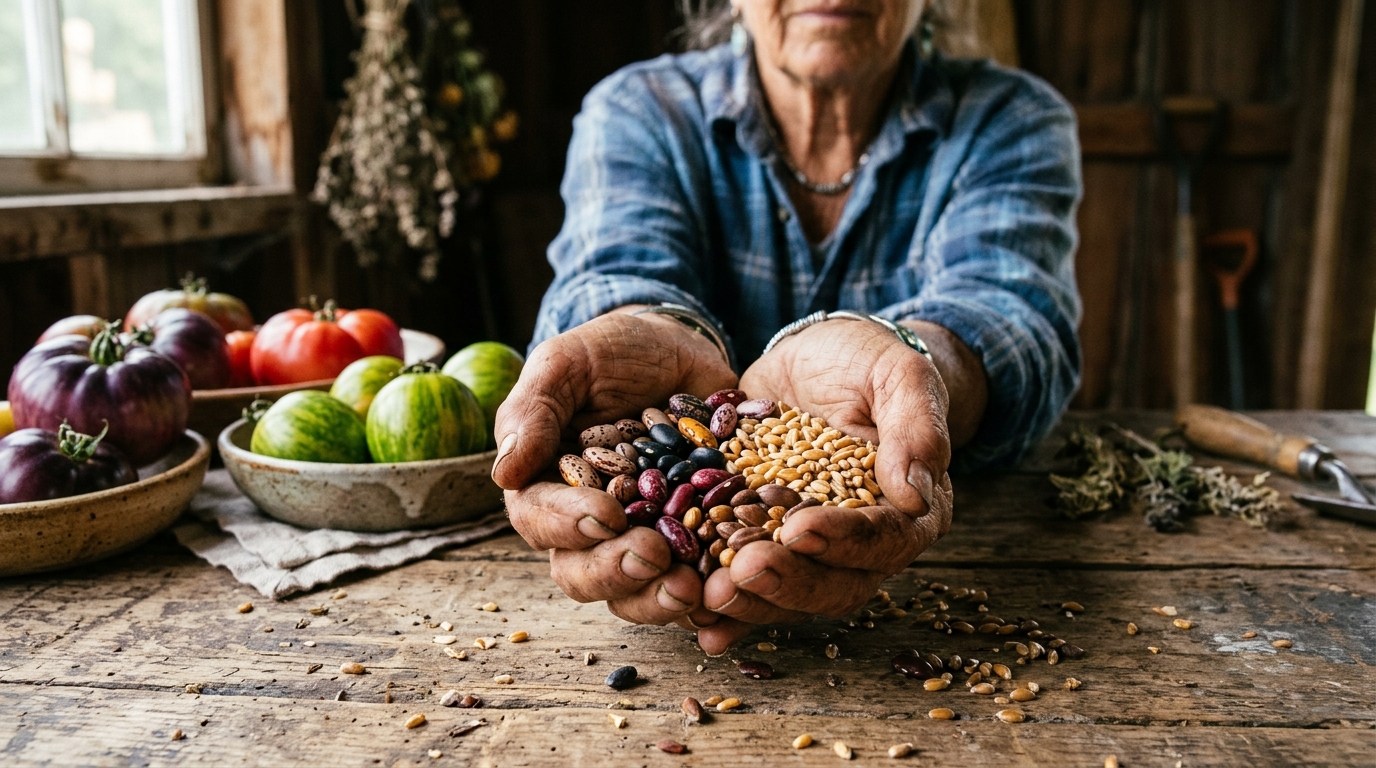
Over the last half-century, modern industrial agriculture underwent an aggressive transformation. Large seed corporations introduced standardized hybrid seeds designed for mechanical harvesting, uniform shelf life, and international shipping containers. But this commercial focus has had profound consequences on human health, flavor, and ecological balance.
Consumers across North America, Europe, the Middle East, and South Asia are asking critical questions: Why does supermarket fruit taste bland? Why are chronic lifestyle ailments and autoimmune disorders rising alongside synthetic agrochemical use? And why can farmers no longer replant seeds from their own harvests?
Understanding the difference between traditional heirloom seeds ("old seeds") and commercial hybrids or genetically altered varieties reveals the path forward for health-conscious families and sustainable farmers alike.
1. What Are Heirloom Seeds? The Power of "Old Seeds"
Heirloom seeds are open-pollinated plant varieties that have been carefully saved, cultivated, and passed down through generations—often for 50 to 100 years or more. They are pollinated naturally by bees, birds, wind, and traditional human hand-selection.
The defining characteristic of an heirloom seed is that it breeds "true to type." When a farmer harvests an heirloom tomato, squash, or wheat grain and preserves its seeds, those seeds will produce the exact same dependable variety season after season.
Because heirlooms developed in diverse microclimates over decades, they developed natural resilience to local soil types, drought conditions, and regional pests—without requiring synthetic chemical baths.
2. What Are Modern Hybrid Seeds (F1 Hybrids)?
Hybrid seeds (often labeled F1 hybrids) are created by deliberately cross-breeding two distinct, inbred parent lines in a controlled environment to produce specific commercial traits: high cosmetic uniformity, thick skins for long-distance transport, and synchronized ripening.
While hybrids produce predictable first-generation yields, they carry a major disadvantage for farmers: their seeds cannot be saved. Seeds gathered from an F1 hybrid plant will not grow true to type in the next generation. Instead, they revert unpredictably to traits of the grandparent varieties, leading to uneven crops or total failure.
This creates continuous financial dependency: farmers must purchase brand-new seed batches every season from multinational seed corporations, rather than enjoying the economic self-reliance of seed saving.
3. Detailed Comparison: Heirloom vs. Hybrid Seeds
| Attribute | Heirloom / Traditional ("Old") Seeds | Commercial F1 Hybrid ("New") Seeds |
|---|---|---|
| Seed Replanting | Yes. 100% true-to-type. Replant indefinitely from your own harvest. | No. Second generation is unpredictable; must purchase new seeds every year. |
| Flavor & Aroma | Superior, complex, authentic taste and natural fragrance. | Often bland and watery; optimized for shelf life, not flavor. |
| Nutrient & Antioxidant Density | Consistently higher levels of vitamins, polyphenols, and minerals. | Diluted nutrient profiles due to fast-growth breeding. |
| Chemical Dependency | Flourishes with natural compost and traditional bio-nutrients. | Frequently dependent on synthetic chemical fertilizers and sprays. |
| Economic Cost | Free after initial harvest through seasonal seed saving. | Recurring annual purchase expense from commercial suppliers. |
| Genetic Biodiversity | Preserves thousands of years of regional crop heritage. | Promotes monoculture vulnerability to climate shocks. |
4. Why Old Seeds Are Better for Eating: Nutrient Density & Health
The nutritional superiority of traditional heirloom varieties is backed by agricultural science. When industrial agriculture bred plants solely for rapid sizing and cosmetic perfection, the concentrations of vital micronutrients—such as iron, zinc, vitamin C, and essential antioxidants—were significantly diluted.
Studies comparing heritage tomato and grain varieties with modern commercial hybrids consistently demonstrate that heirloom crops harbor higher levels of lycopene, carotenoids, and protective polyphenols. Plants produce these antioxidant compounds as their natural immune system. In synthetic environments where crops are drenched in chemicals, plants produce far fewer of these natural health-giving compounds.
For families seeking clean-label, disease-preventing diets in the United States, Europe, or the Arab world, heirloom organic produce provides dense nutrition that supports cellular health, reduces inflammation, and delivers unforgettable flavor.
5. The Hidden Danger: Synthetic Pesticides and Chemical Fertilizers
To sustain delicate commercial hybrid crops in monoculture fields, conventional agriculture relies heavily on synthetic chemical fertilizers (chemical khad) and neurotoxic pesticides. Over decades, this excessive chemical regimen strips the soil of beneficial mycorrhizal fungi and earthworms, leaving dead dirt that requires ever-increasing chemical doses.
Pesticide residues on daily food items have been scientifically linked to endocrine disruption, liver burden, digestive dysbiosis, and chronic metabolic illnesses. Chemical runoffs also poison underground water aquifers, impacting whole rural communities.
By contrast, natural regenerative agriculture—cultivating traditional seeds with organic compost, green manure, crop rotation, and bio-friendly pest control—produces nutrient-rich harvest without leaving hazardous chemical residues on your dinner plate.
6. Sustainable Agriculture and the Farmer’s Independence
Seed sovereignty is food sovereignty. When farmers possess the knowledge and heritage seeds to replant their own fields year after year, they eliminate huge overhead costs and debt cycles. They become stewards of local biodiversity.
Platforms that connect growers directly with consumers, local agricultural markets (mandis), and transparent commission shops enable farmers to receive fair prices for chemical-free, natural crops—bypassing exploitative middlemen and corporate monopolies.
Discover verified commission merchants, trusted farm implement dealers, and certified agricultural input suppliers directly on Kisan Ka Pakistan.
Are hybrid seeds the same as GMOs (Genetically Modified Organisms)?
No. Hybrid seeds are created through controlled plant breeding and pollination between two varieties of the same species. GMOs involve laboratory genetic engineering, where DNA from entirely different organisms (or artificial gene splices) is inserted into the plant.
Can I save and replant seeds from vegetables bought at the supermarket?
Most supermarket produce comes from F1 hybrid crops or irradiated imports. While the seeds may sprout, the resulting vegetables rarely resemble the parent fruit in taste, yield, or shape. To grow true-to-type vegetables, always look for certified heirloom or open-pollinated seeds.
Why does heirloom produce cost more in retail stores?
Heirloom crops are typically harvested by hand at peak ripeness and have shorter storage shelf lives because they lack artificial preservative genes. Their extraordinary flavor and rich nutrient density make them a premium choice for health-conscious consumers.
How do heirloom seeds help combat climate change?
Because heirloom varieties carry diverse genetic histories, different varieties thrive in varying rainfall, heat, and soil conditions. Maintaining seed diversity ensures global agriculture has the genetic resilience needed to withstand unexpected weather patterns.
Conclusion
Choosing heirloom produce and supporting traditional, chemical-free agriculture is an investment in human health, rich flavor, and ecological longevity. Whether you are a smallholder farmer cultivating the next season’s field, an urban gardener planting your backyard, or a family conscious of what you put on the table, traditional seeds offer the most nourishing, sustainable path forward.
At Kisan Ka Pakistan, our mission is to champion transparent agriculture, connecting farmers, suppliers, and wholesale marketplaces to bring authentic, high-quality agricultural products and live mandi rates to everyone.
KKP Agronomy & Sustainable Agriculture Desk
Author• Editorial & Agricultural Research TeamPrepared and verified by the Kisan Ka Pakistan Agronomy Desk, synthesizing peer-reviewed agronomic research, traditional seed-saving practices, and sustainable crop systems for farmers and consumers worldwide.
Stay Updated with KKP Agriculture
Check daily live commodity rates, machinery listings, and wholesale market updates.