The Hidden Dangers of Synthetic Pesticides and Chemical Fertilizers: Systemic Toxins, Soil Depletion & Safe Eating
An evidence-based investigation into how systemic pesticides, neurotoxic insecticides, and synthetic chemical fertilizers (khad) contaminate food, cause chronic health conditions, and how consumers and farmers can protect their families.
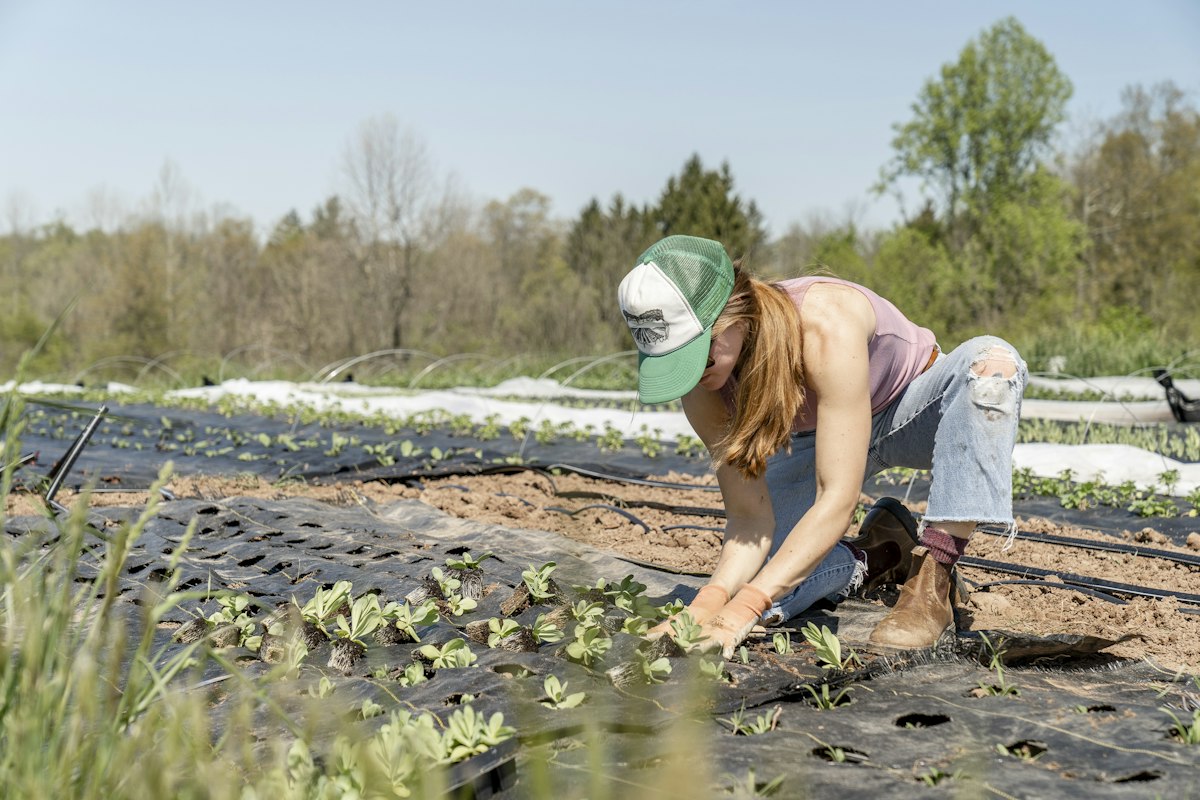
Across supermarket aisles worldwide—from North America and Europe to the Arabian Gulf and South Asia—consumers are confronted with cosmetically flawless fruits and vegetables. Yet behind this polished exterior lies an escalating public health crisis: chronic exposure to synthetic agrochemical residues.
Every year, millions of metric tons of synthetic neurotoxic pesticides (organophosphates, neonicotinoids, and synthetic pyrethroids) and concentrated synthetic fertilizers (chemical khad) are drenched over commercial fields. While these chemicals temporarily boost monoculture yields, scientific research increasingly links their long-term accumulation to endocrine disruption, microbiome damage, liver toxicity, and chronic metabolic illnesses.
Understanding how systemic agrochemicals penetrate food, the difference between organic and chemical-free produce, and the proven methods to minimize exposure is vital for every health-conscious household.
1. Contact Pesticides vs. Systemic Pesticides: Why Washing Leaves Residue Inside
Most consumers believe a quick rinse under running water eliminates all pesticide danger. In reality, modern agrochemicals fall into two fundamentally distinct categories:
1. Surface (Contact) Pesticides: Formulated with sticky oil adjuvants to coat the exterior skin of plants. While water alone removes only 15% to 30% of these residues, scientific studies confirm that soaking produce in a 1% baking soda (sodium bicarbonate) solution for 12 to 15 minutes neutralizes up to 80% of surface chemicals.
2. Systemic Pesticides: These compounds are absorbed directly by plant roots or vascular foliage, circulating internally through the xylem and phloem. They become part of the edible flesh of apples, tomatoes, grapes, and grains. No amount of surface scrubbing, soaking, or vinegar bath can remove systemic pesticides because they are locked inside the cellular tissue of the fruit.
Surface Contact Insecticide
Outer Skin OnlyCoats fruit skin; resists rain with oil polymers. 60-80% can be degraded with baking soda soak or mechanical peeling.
Systemic Insecticide (e.g. Neonicotinoids)
Internal Vascular FleshTranslocates into fruit pulp, seeds, and juice. Completely impervious to household washing or ozone baths.
Synthetic Nitrogen Fertilizers (Khad)
Cellular Rapid ExpansionForces excessive water absorption into plant cells, diluting mineral and vitamin density while leaving nitrate residues in leafy greens.
Biological Soil Microorganisms
Regenerative DefenseMycorrhizal fungi and rhizobacteria supply natural phosphorus and nitrogen without toxic residual accumulation.
2. Does "Organic" Mean 100% Free of All Pesticides?
One of the most widespread misconceptions in modern food marketing is that certified organic produce is sprayed with nothing. In reality, "organic" certification legally prohibits synthetic, petroleum-derived agrochemicals and artificial fertilizers.
However, organic farming does permit naturally derived biological pesticides—such as copper sulfate, elemental sulfur, pyrethrins (from chrysanthemum flowers), neem oil extracts (azadirachtin), and spinosad (from soil bacteria).
While botanical bio-pesticides break down much faster under sunlight and do not leave bioaccumulative organophosphate residues in human fatty tissue, produce grown using true regenerative, agroecological methods—where healthy living soil and companion planting prevent pest outbreaks naturally—remains the gold standard for clean eating.
3. Synthetic Chemical Fertilizers (Khad) and Soil Microbiome Destruction
Synthetic chemical fertilizers—predominantly concentrated Urea, Diammonium Phosphate (DAP), and synthetic Potash—deliver quick bursts of soluble nitrogen and phosphorus. However, this artificial flood of salts severely damages the underground ecology:
1. Microbial Die-Off: High-salt chemical fertilizers kill beneficial mycorrhizal fungi, which are the root networks responsible for extracting micronutrients (zinc, iron, magnesium, boron) from deep subsoil.
2. The "Addiction" Cycle: As soil biology dies, the earth turns into sterile dirt that cannot hold water or release nutrients naturally. Farmers are forced to purchase escalating volumes of expensive chemical khad every season to sustain yields.
3. Nitrate Contamination of Drinking Water: Runoff from over-applied synthetic nitrogen leaches into rural tube wells and aquifers, converting to toxic nitrites in drinking water that pose grave risks to infant health and thyroid function.
4. Evidence-Based Protocol to Reduce Agrochemical Exposure at Home
For families purchasing conventional produce, follow this scientifically verified 3-step decontamination protocol:
Step 1: The Alkaline Baking Soda Soak: Dissolve 2 teaspoons (10 grams) of sodium bicarbonate (baking soda) in 1 liter of cool water. Submerge apples, bell peppers, tomatoes, and leafy greens for 12 to 15 minutes. The mild alkaline pH accelerates the hydrolytic breakdown of contact pesticides.
Step 2: Friction Rinse: Scrub firm-skinned produce with a clean vegetable brush under running tap water for 30 seconds. Friction removes the degraded chemical-wax layer.
Step 3: Strategic Peeling: For crops with known heavy systemic application (like non-organic commercial strawberries, peaches, and celery), peeling remains the most decisive way to eliminate outer pesticide-saturated layers.
Discover verified commission merchants, trusted farm implement dealers, and certified agricultural input suppliers directly on Kisan Ka Pakistan.
Does vinegar remove pesticides better than baking soda?
No. Controlled scientific laboratory studies from the University of Massachusetts demonstrate that a 1% baking soda (sodium bicarbonate) solution is significantly more effective at degrading and removing common pesticides than either vinegar or tap water.
Are natural biopesticides toxic to humans?
Natural biopesticides derived from plants (like neem extract) or bacteria degrade rapidly in UV light within 24 to 72 hours, leaving no synthetic toxic metabolites in human organs, unlike synthetic neurotoxins that persist for months.
Where can I buy chemical-free and naturally grown crops directly from farmers?
You can discover verified farmers, natural produce sellers, and organic crop listings across Pakistan directly through the Kisan Ka Pakistan marketplace.
Conclusion
The path to lasting human health begins with the living soil beneath our feet. By transitioning toward traditional seeds, biological compost, and chemical-free crop protection, farmers restore soil fertility while providing communities with genuine, disease-preventing nutrition.
Support sustainable agriculture and connect with verified growers and clean crop listings on Kisan Ka Pakistan.
KKP Soil Ecology & Public Health Desk
Author• Toxicology, Soil Microbiology & Clean Nutrition TeamPublished by the Kisan Ka Pakistan Public Health Desk, synthesizing peer-reviewed toxicological studies, soil regeneration trials, and food safety standards for consumers and farmers globally.
Stay Updated with KKP Agriculture
Check daily live commodity rates, machinery listings, and wholesale market updates.