Corn Silage Making Process in Pakistan: Step-by-Step Dairy Fodder Preservation & Cost Guide
Master commercial corn/maize silage making. Learn optimal harvest moisture (65%), chopping size, inoculants, compaction techniques, bunker vs. silage bale economics, and dairy milk boost.
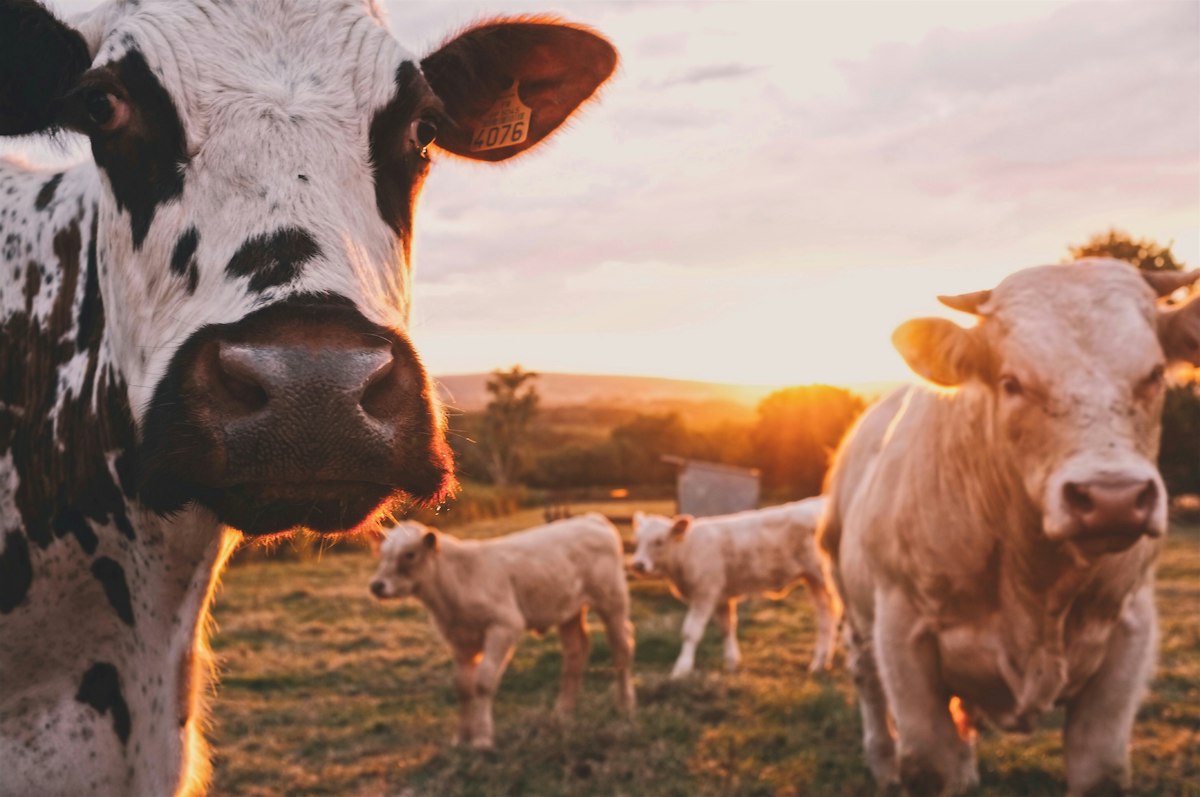
In commercial dairy farming across Pakistan—from Sahiwal and Okara to Karachi and Sukkur—consistent fodder availability is the single largest operational challenge. During extreme summer heat and winter fodder slumps, dairy herds suffer severe milk production drops of 30% to 50% when reliant on seasonal green grass.
Corn (Maize) Silage represents the ultimate solution. By harvesting nutrient-rich whole corn plants at peak grain maturity and fermenting them in an oxygen-free environment, dairy farmers preserve green fodder with high dry matter and starch content that can be stored for 1 to 2 years.
This technical guide provides the exact step-by-step protocol for harvesting at optimal moisture, chopping, compacting, inoculating, and calculating bale vs. bunker economics.
1. The Golden Rule of Silage: The 1/2 Milk-Line Harvest Window
Harvesting maize at the exact stage of physiological maturity determines the nutritional quality of your silage:
1. Optimal Moisture Benchmark: The whole corn plant must contain between 62% to 68% moisture (32% to 38% Dry Matter). Harvesting too wet (above 70% moisture) triggers putrefactive clostridial fermentation, producing foul-smelling butyric acid and nutrient seepage. Harvesting too dry (below 60% moisture) prevents proper compaction, trapping oxygen that causes mold and heating.
2. The Kernel Milk-Line Test: Break an ear of corn in half and inspect the kernels on the tip half. Look for the dividing line between liquid milk and hard white starch. When the milk line reaches 1/2 to 2/3 of the way down from the crown to the cob, the crop has achieved optimal starch and moisture balance for harvesting.
| Harvest Metric | Optimal Range | Consequence if Too Wet (>70%) | Consequence if Too Dry (<60%) |
|---|---|---|---|
| Plant Moisture | 63% – 67% | Sour butyric fermentation, nutrient runoff | Poor compaction, mold growth, heating |
| Theoretical Chop Length (TLC) | 12 to 19 mm (1/2 to 3/4 inch) | Mushy texture, poor rumination cud-chewing | Difficult to pack, trapped oxygen pockets |
| Kernel Processing (Cracking) | >95% kernels broken | Undigested whole grains pass into manure | Hard kernels escape animal digestion |
| Fermentation pH Target | 3.8 to 4.2 pH | Slow fermentation, rotting silage | Inadequate lactic acid preservation |
2. Step-by-Step Fermentation Protocol: Bunker vs. Round Bale
1. Chopping & Kernel Cracking: Use a self-propelled or heavy tractor-mounted forage harvester with sharp knives set to 15mm chop length. Ensure kernel processors crush every grain to unlock starch for rumen microbes.
2. Heavy Compaction (Tractor Packing): In bunker pits, spread chopped corn in thin 6-inch layers. Drive heavy tractors continuously over each layer to squeeze out all oxygen. The density target is at least 220 to 240 kg of dry matter per cubic meter.
3. Biological Inoculants: Apply homofermentative lactic acid bacteria (such as Lactobacillus plantarum) during chopping to accelerate pH drop to under 4.0 within 72 hours, preventing dry matter losses.
4. Hermetic Sealing: Cover the bunker pit immediately with an oxygen-barrier underlay film, followed by heavy 200-micron UV-protected silage plastic, weighed down tightly with old tires.
3. Cost Economics: Bunker Silage vs. 1-Ton Silage Bales
For small-to-medium dairy farms without dedicated concrete bunker pits, commercial silage balers produce 1-ton wrapped bales. While bales carry an additional packaging cost of PKR 2.5 to 3.5 per kg for heavy stretch wrap, they eliminate storage losses and allow convenient transport and feeding. Large commercial herds (50+ milking animals) achieve the lowest cost per kg using in-ground concrete bunker silos.
Discover verified commission merchants, trusted farm implement dealers, and certified agricultural input suppliers directly on Kisan Ka Pakistan.
How long after sealing can silage be fed to dairy cows?
Allow at least 21 to 28 days for active anaerobic lactic acid fermentation to stabilize before opening the bunker or cutting bale wrap.
How much corn silage should a milking cow be fed daily?
A high-yielding Holstein Friesian or crossbred cow typically consumes 20 to 25 kg of corn silage daily, balanced with 2 to 3 kg of wheat straw (bhoosa) and concentrated dairy feed.
Where can I buy certified corn silage bales or standing fodder in Pakistan?
You can discover verified silage producers, forage harvesters, and dairy feed suppliers directly through the Kisan Ka Pakistan marketplace.
Conclusion
Corn silage is the cornerstone of profitable, modern dairy farming. By harvesting at the correct kernel milk line, chopping to 15mm, and packing out all oxygen, dairy producers lock in green nutrition year-round and unlock peak herd milk yields.
Explore verified livestock feeds, crop listings, and agricultural markets across Pakistan on Kisan Ka Pakistan.
KKP Dairy Nutrition & Forage Systems Desk
Author• Silage Fermentation, Livestock Nutrition & Fodder Engineering TeamPublished by the Kisan Ka Pakistan Dairy Desk, formulating high-energy silage rations, bunker fermentation standards, and dairy herd yield optimization across Punjab and Sindh milk sheds.
Stay Updated with KKP Agriculture
Check daily live commodity rates, machinery listings, and wholesale market updates.